Okay, so check this out—DeFi looks shiny. Wow! The yields, the composability, the memecoin energy. But my first reaction was simple: something felt off. My instinct said “trust but verify”—and that’s where wallets like Rabby change the conversation.
Whoa! Wallets used to be boring. Short. Then a bunch of clever people made them the front door to billions. Medium complexity stuff happens there—a token approval here, a contract call there, gas quirks that eat your margins. Long story short: your wallet’s UX is security surface, and that surface is where you win or lose money, reputation, and sleep. Seriously?
Let me be honest: I learned most of my risk habits the expensive way. Initially I thought that reading audits is enough, but then realized that real risk lives in the interaction layer—how you sign transactions, what exactly you approved, and whether you simulated an outcome before hitting confirm. Actually, wait—let me rephrase that: audits are necessary but not sufficient. On one hand audits find code-level bugs; on the other hand, front-end trickery, phishing, and sloppy approvals will wreck you just as fast. Hmm… the more I dug, the more simple patterns repeated.
Short note: approvals are the silent killer. Really. Medium wise, unlimited ERC-20 approvals make contract-level vaults convenient but leave you exposed to downstream exploits. Longer reflection: when a DeFi protocol asks for broad allowances or repeated approvals across many contracts, you’re trusting every counterparty in that approval graph, and that trust multiplies risk in ways people rarely model explicitly. It’s messy. It’s human. And that’s somethin’ we accept too lightly.
Here’s what bugs me about many “risk guides”: they list threats in tidy boxes and then act like users will just follow them. Nope. People are rushed; they copy-paste; they chase yield. So you need tools that nudge humans away from dumb mistakes without being annoying. One effective nudge is transaction simulation—seeing the net token changes, gas use, and even internal calls before signing. That feature turns vague fear into clear choices.
Risk assessment, but in plain language
Risk assessment in DeFi isn’t abstract. Short: it’s a checklist you run mentally and with tooling. Medium: does the protocol hold your private keys? Are there timelocks? Is there a multisig? Longer: consider the economic design—are rewards sustainable or bootstrap-only, and who benefits from a sudden run on liquidity? Initially I thought social proofs (Twitter, Discord) were a reliable signal, but then I realized that narrative and security are orthogonal—loud projects are not always safe. On the other hand, small teams can be competent; it’s complicated.
Quick list: smart contract risk, oracle manipulation, admin keys, rug-able liquidity, economic exploits, UI phishing, and signature misuse. Short win: reduce approvals; use time-limited allowances; check contract sources. Medium step: simulate transactions, and compare simulated token deltas with the UI copy. Longer practice: monitor internal transactions and re-entrancy patterns when possible—this helps spot complex exploits before they hit your wallet. Also, watch for closely-timed contract upgrades; those are red flags.
Okay, so here’s an example from my own mistakes. I was bridging assets one late night. Whoa! I approved an unlimited allowance to a router contract because I was tired. Within an hour a poorly audited fork got drained and the approval chain allowed funds to move. It sucked. I lost a small but meaningful amount and learned a rule: never give more than necessary, and simulate every step. I’m biased, but that rule saved me later when I avoided another cheap trap.
Where wallets like Rabby help (practical takeaways)
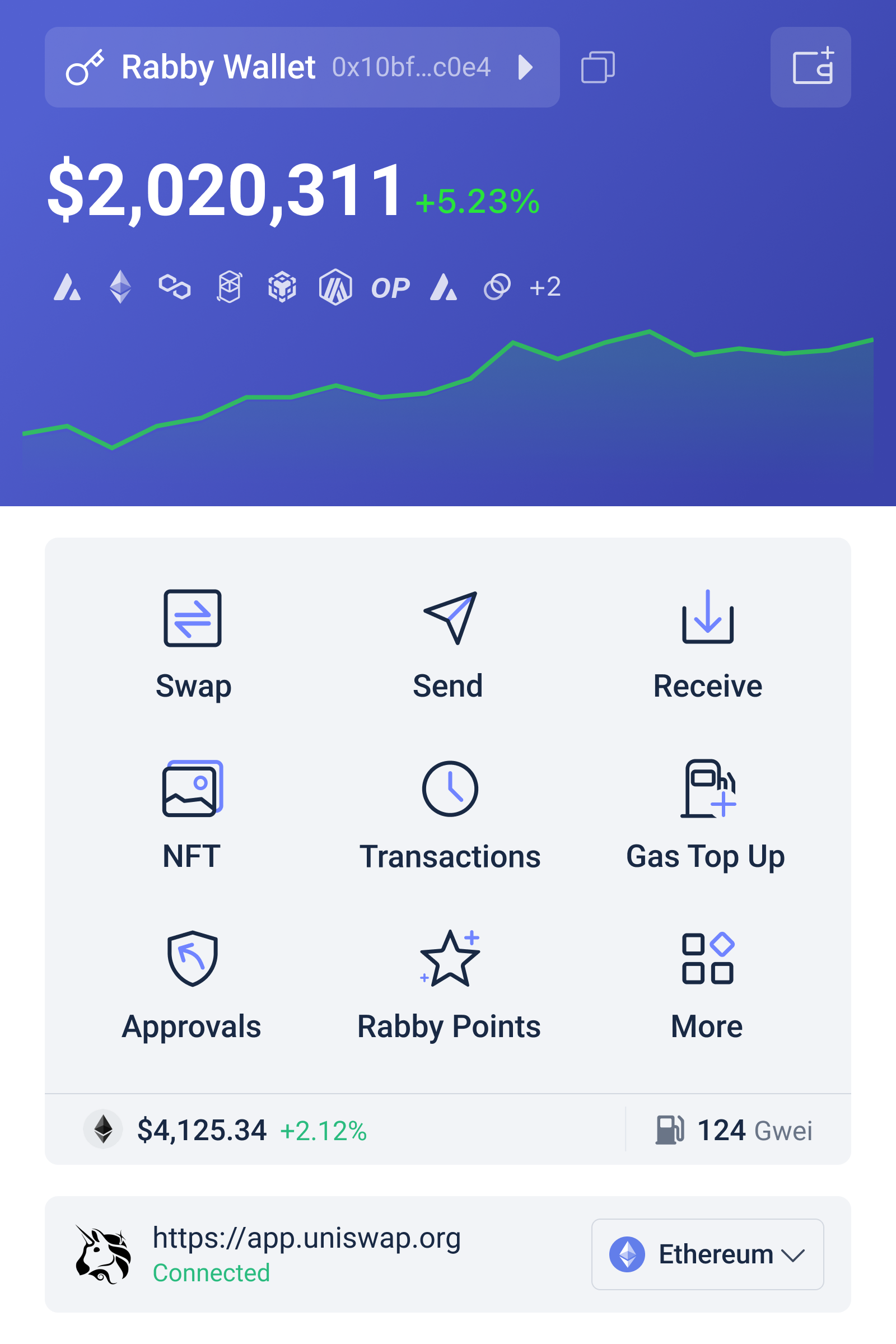
Short point: good wallets reduce cognitive load. Seriously. Medium explanation: Rabby Wallet, for example, focuses on making transaction content explicit and safe by offering transaction simulation and clearer approval management. Longer thought: by surfacing the exact token flows and contract calls before you sign, it forces a moment of attention—unexpected transfers, multi-hop swaps, permit calls—all become visible, and that visibility materially reduces phishing and faulty-approval risks. If you want to try it, click here and you’ll see how that clarity changes behavior.
But let’s not pretend any tool is a panacea. Short aside: UI clarity doesn’t remove economic risk. Medium detail: simulation won’t tell you if a protocol has a toxic incentive model or if an oracle can be manipulated; it only shows what will happen on-chain given current state. Longer nuance: simulation can, however, reveal incongruities—like when a swap route sends tokens to an unexpected intermediary or when a contract drains out of your stated output. Those are actionable warnings. I’m not 100% sure every simulation engine is perfect, but it’s a strong layer.
Another practical feature I care about is approval management. Short: revoke or limit approvals. Medium: some wallets show existing allowances and let you revoke in one click. Long: that reduces time-window exploits where adversaries repeatedly scan chains for fresh allowances to abuse. That alone lowered my stress when I stopped leaving big allowances for every protocol. Oh, and by the way… make small mistakes in a low-risk environment—testnets or tiny amounts—before moving large sums.
Multi-account separation matters too. Short: don’t keep everything in one address. Medium: use a “hot” address for daily trading and a cold one for long-term holdings. Longer explanation: separating risk profiles across addresses limits blast radius if an approval is stolen or a UI phishes a private key. I know it sounds like extra work. It is. But it’s manageable with the right wallet ergonomics, and that management is exactly the kind of behavior you should automate where possible.
Operational checklist for DeFi users
1) Simulate before signing. Short and bold. 2) Limit approvals to token amounts and to known contracts. Medium tip. 3) Use an approval aggregator in your wallet to sweep old allowances. Longer: treat your approvals like recurring subscriptions—cancel ones you no longer need. Initially I thought this was overkill, but after cleaning up months of careless approvals, I felt a lot safer. My instinct said “do it now” and it was right.
4) Keep a small hot wallet. 5) Use multisigs or time locks for treasury funds. 6) Read governance proposals if you hold protocol tokens—voting changes can alter security parameters. Okay, this is getting long, but here’s the kicker: most losses are procedural, not purely technical. People click fast. They skip steps. Tools that force slow, explicit choices win in the long run.
One more reality check: a lot of devs never plan for phishing via front-end. They assume users will verify contract addresses or checksum signatures. That’s optimistic. So practical UX features like copy-proof contract verification, clear dapp origin indicators, and simulated diffs between proposed and expected transfers are crucial. Rabby and other wallet innovators are pushing that direction, which is heartening.
FAQ
What exactly does “transaction simulation” show?
It shows an estimated state change if the transaction executes: token balances, internal contract calls, and gas estimates. Short answer: it’s a preview. Medium caveat: it’s accurate based on current chain state but can’t predict future oracle manipulation or front-running. Longer explanation: use simulation to detect blatant red flags—unexpected transfers, approval escalations, or routing tricks—and combine that with off-chain diligence.
Can simulation be fooled?
Short: yes. Medium: simulations rely on current state and a correct RPC node. If an attacker manipulates state between simulation and inclusion, things can diverge. Long: that’s why it’s smart to pair simulation with practices like setting appropriate gas limits, using private relays for big trades, and avoiding signing transactions that require multiple confirmations across interfaces. I’m not 100% sure there’s a silver bullet here, but layered defenses reduce risk.
How do I start changing my habits?
Begin small. Short: revoke old approvals this week. Medium: install a wallet that surfaces transaction intent and simulate by default. Long: create a nightly or weekly ritual to audit approvals and move your long-term holdings to a secured address. It sounds tedious. It is. But after losing a bit once, you’ll respect the routine—trust me on that one.
Comments